
We have all wrestled with whether to give money to panhandlers at a red light. Often holding signs that proclaim the need for work or food, when offered work or food they say “just need some cash for gas now”.
Do we assume they’re addicted to something? Maybe they’ve just latched on to a tax-free way to make a wage, but there is often a correlation between begging on the streets and addiction. So we drive on by nodding or waving awkwardly, thanking God our addictions aren’t that bad.
What if they are though? What if we’re facing addiction every time we feel hungry? It’s a very real struggle and I’ll cut straight to the chase. Addiction is driving our eating habits, the worst of them.
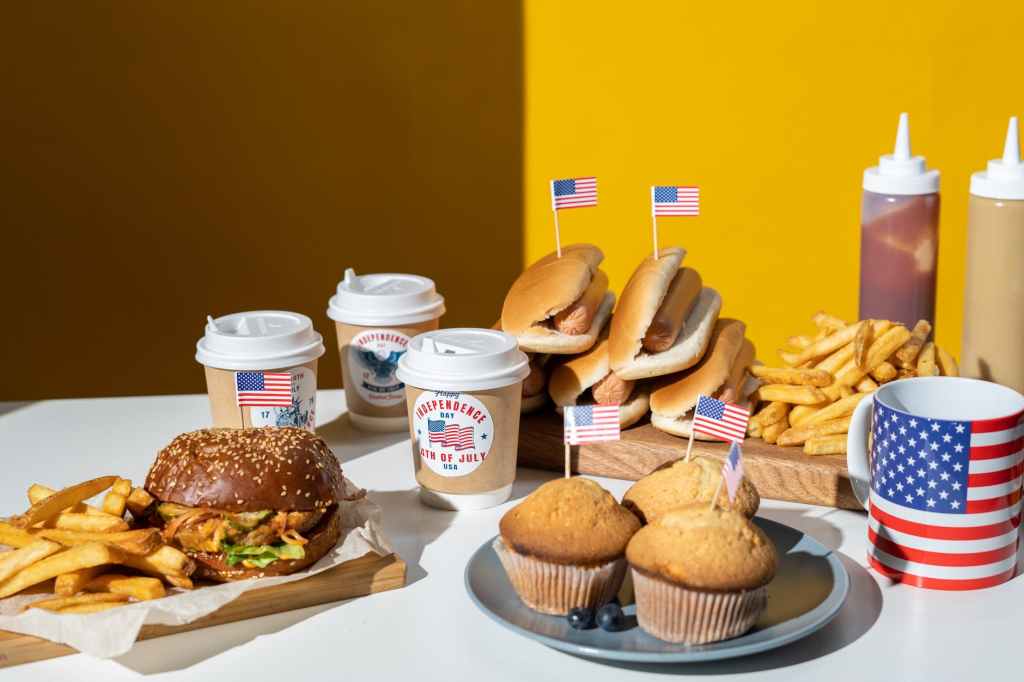
I’ve got several foods I crave, and usually binge to some degree. In no particular order, they are Mexican food, cheeseburgers, Simply Doritos, brownies and Wendy’s breakfast potatoes and pizza and . . . well, there are many.
While I’d like to say I’m addicted to blueberries, squash, sweet potatoes and celery, I’m just not. The foods that feed us best do not contain addictive ingredients. Those were made by man. I can only defend the brownies a little. My favorites are from a local shop called Healthy Body Bakery. They are made with natural ingredients; unrefined sugars, ancient grain flours and farm fresh eggs.
That isn’t typical of ingredient lists found on many grocery store items. At some point, we relinquished control of what goes into what we eat. Foods made in factories and eaten on the go, have replaced a simpler time when much of what a family ate grew in their yard. Brownies were a rare treat in my childhood home.
But the old ways of feeding our families gave way to a busy, on-the-go life. For the sake of convenience, the popularity of ultra and highly processed foods (UPF and HPF) and fast food exploded. Our obesity levels have risen steadily since. The rate of obesity in America is 42.4%[1]. If we add people who are considered ‘overweight’, it’s 73.6%.[2]
Nearly three quarters of the American population are considered overweight or obese. With that, comes a higher rate of disease. Our expanding waistlines are coming from our ‘foods’ and from our waistlines, more diseases come. It’s time we face the sources of our weight struggles.
Even with billions of dollars spent annually on get skinny quick products, we are not losing weight. Why? Two reasons, in my opinion.
Number one – we are inflamed. Bodies don’t know what to with the non-food ingredients in food, In turn, an inflammatory response is triggered. It doesn’t help that many of those get skinny quick products trick a body’s natural processes even more.
Number two – we are truly addicted to eating the things that make us inflamed. SIDE NOTE: I have a hard time calling things in boxes and packages at the grocery store food. They are products manufactured to be food-like.
Addiction of any kind is hard to overcome. There are no shortages of research on all the reasons why, but too few of us admit what lies at the heart of our weight and health challenges. Addiction to HPF or UPF.

When my eyes opened to how unhealthy we’ve become, I began to see how Big Food’s latest products and marketing schemes have ensnared us in terrible habits. Advertising tricks and ploys have us confused on what’s healthy, and this study suggests it’s especially aimed at youth.
Packaged foods, many of which are backed by big advertising dollars, are being called ultra-processed or highly processed foods (UPF or HPF). With increased obesity and disease, new research points to these products as the main drivers of declining health. This study claims reducing UPF in the diets of kids aged seven to eighteen had a dramatic impact on BMI (body mass index), going from 37.0% to 20.9%.[1] Higher body mass and obesity is causing childhood high blood pressure and Type 2 diabetes. This alone should cause enough concern to require warning labels on UPF and HPF, just like those plastered on cigarettes.
Not only bad for our waistlines, UPF and HPF are addictive. They give us that little sugar hit our bodies and brains crave. It’s terribly sad because they taste so sweet and satisfying but always leave us wanting more. Sounds like the addiction cycle indeed and it begins at a very young age, by design.
Eating the things advertisements beg us to eat, ends in disaster. No one markets the things found on the perimeter of a grocery store. All the addictive ingredients are found in those center-aisle boxed and packaged foods, the ones that have big marketing dollars on their side.
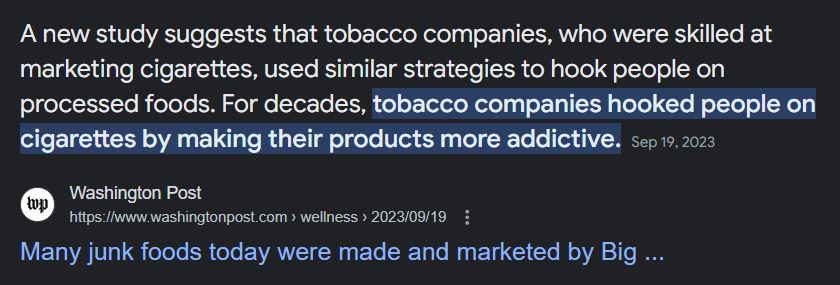
Much like those foods, cigarettes were also once marketed as good for us. But there are consequences we aren’t facing. The fight against lung cancer rages on, while we have only begun to fight the chronic disease our new addiction leads to.
I fully agree with the writer who dares to call the American obesity epidemic by it’s true name. Addiction. Largely due to UPF and HPF being also ultra and highly marketed.
We know many of our foods are bad for our health, but working against our resolve are those same marketing tricks that hooked my generation on cigarettes. An addiction I have struggled with repeatedly. Food is the same.
The NIH admits food addiction can be compared to tobacco, but they write the abstract in such a way it seems shrugged off. Most healthcare experts push for more medication, not for intervention in the Standard American Diet..
The epidemic that should concern health organizations is that most Americans are sick and tired, and we are addicted to the things that make us sick and tired. We fight addiction daily, but no one fights the marketing that lures us to these tasty and addictive delights..
The very entities created to look after our health, are not talking about it at all. NIH, CDC and the Department of Health seem to do little or nothing in the fight against dangerous foods.
Establishing warnings about the potential for food addiction should be on every health organization’s agenda, should it not?
 Nurture
Leave a comment